

With a career defined by transformation, discipline, and increasingly ambitious roles, Austin Butler has evolved from a television favorite into one of Hollywood’s most closely watched actors.
Austin Butler’s journey through Hollywood is a story of gradual transformation. Long before he became internationally recognized for portraying Elvis Presley, Butler spent years building his craft through television, independent projects, and supporting film roles. His rise did not happen overnight. Instead, it developed through a series of performances that steadily demonstrated his range and determination.
Today, Butler is recognized as one of the prominent actors of his generation. His performances combine a strong screen presence with an ability to disappear into demanding characters. From youth-oriented television to major cinematic productions, his career illustrates how an actor can move beyond an early image and establish a more mature artistic identity.
Early Beginnings
Born on August 17, 1991, in Anaheim, California, Austin Butler became interested in entertainment at a young age. His professional career began with appearances in television productions aimed largely at younger audiences.
He appeared in popular shows including Hannah Montana, iCarly, Zoey 101, and Wizards of Waverly Place. These early roles gave him an opportunity to learn the fundamentals of working in front of a camera while developing experience across different styles of television.
Butler later became associated with programs such as Zoey 101 and Switched at Birth, while also taking on roles in projects designed for teenage audiences.
Although these productions established him as a recognizable young performer, Butler’s ambitions extended beyond the world of teen entertainment. As he matured, his choice of roles increasingly reflected an interest in more complex characters and challenging material.
Moving Beyond the Teen-Star Image
Transitioning from youth television to adult film roles can be difficult for any performer. Audiences often associate actors with the characters they first encountered, making it challenging to establish a new identity.
Butler gradually addressed this challenge by taking on a variety of roles.
His work in television included appearances in The Carrie Diaries, where he played Sebastian Kydd. The series allowed him to participate in a more mature coming-of-age story while working alongside a larger ensemble.
He also appeared in the MTV series The Shannara Chronicles, a fantasy production based on Terry Brooks’ novels. As Wil Ohmsford, Butler took on a leading role in a large-scale fantasy setting, requiring him to combine physical performance with dramatic storytelling.
These projects helped him expand his professional range and prepare for more demanding opportunities in film.
The Elvis Transformation
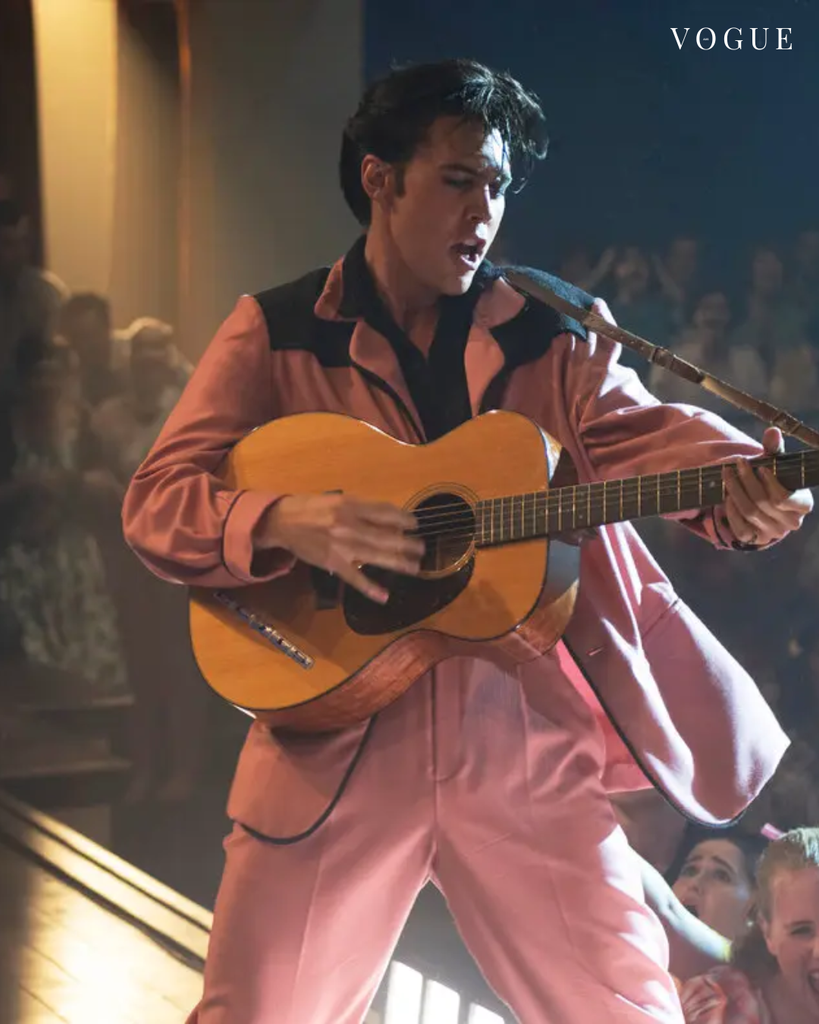
The turning point in Butler’s career arrived with Baz Luhrmann’s Elvis, released in 2022.
Portraying Elvis Presley was an extraordinary challenge. Presley was not simply a famous musician; he was one of the most recognizable cultural figures of the twentieth century. An actor taking on the role had to capture his appearance, voice, physical movements, charisma, vulnerability, and evolution across several decades.
Butler approached the role with considerable preparation.
He spent extensive time studying Presley’s performances and mannerisms, working on his voice and physicality, and immersing himself in the musician’s life and career. The preparation was essential because the film required him to portray Presley at different stages of his development, from his early rise to fame through his years as an established superstar.
The result was a performance that placed Butler at the center of international attention.
His portrayal earned widespread recognition and demonstrated that he could carry a major feature film as its central performer. He received an Academy Award nomination for Best Actor, marking a significant milestone in his career.
Becoming Elvis Presley

The physical transformation was only one part of Butler’s work on Elvis.
Presley’s stage presence was famously energetic, but his private personality was considerably more complicated. Butler therefore had to balance the public performer with the more vulnerable individual behind the image.
The film moves through different periods of Presley’s life, requiring Butler to change his performance as the character ages and his circumstances evolve.
His approach demonstrated an important quality of his acting: a willingness to commit fully to a character.
Rather than simply imitating a famous person, Butler attempted to construct a complete performance around Presley’s emotional and professional journey.
The role also introduced him to audiences who may not have followed his earlier television career. For many viewers, Elvis represented their first major introduction to Butler.
Working With Major Filmmakers
Following Elvis, Butler’s career entered a new phase.
His growing reputation brought opportunities to work with some of the industry’s most established filmmakers. One of the most significant was Denis Villeneuve’s Dune: Part Two, in which Butler portrayed Feyd-Rautha Harkonnen.
The character was dramatically different from Elvis Presley.
Feyd-Rautha is a dangerous and unpredictable figure within the world of Dune. The role required Butler to create a threatening presence while fitting into an elaborate science-fiction universe filled with established characters and complex political relationships.
His appearance in the film demonstrated his willingness to make significant changes between projects.
Instead of repeating the style that had brought him acclaim in Elvis, Butler embraced a darker and more physically intense role.
A New Chapter With The Bikeriders
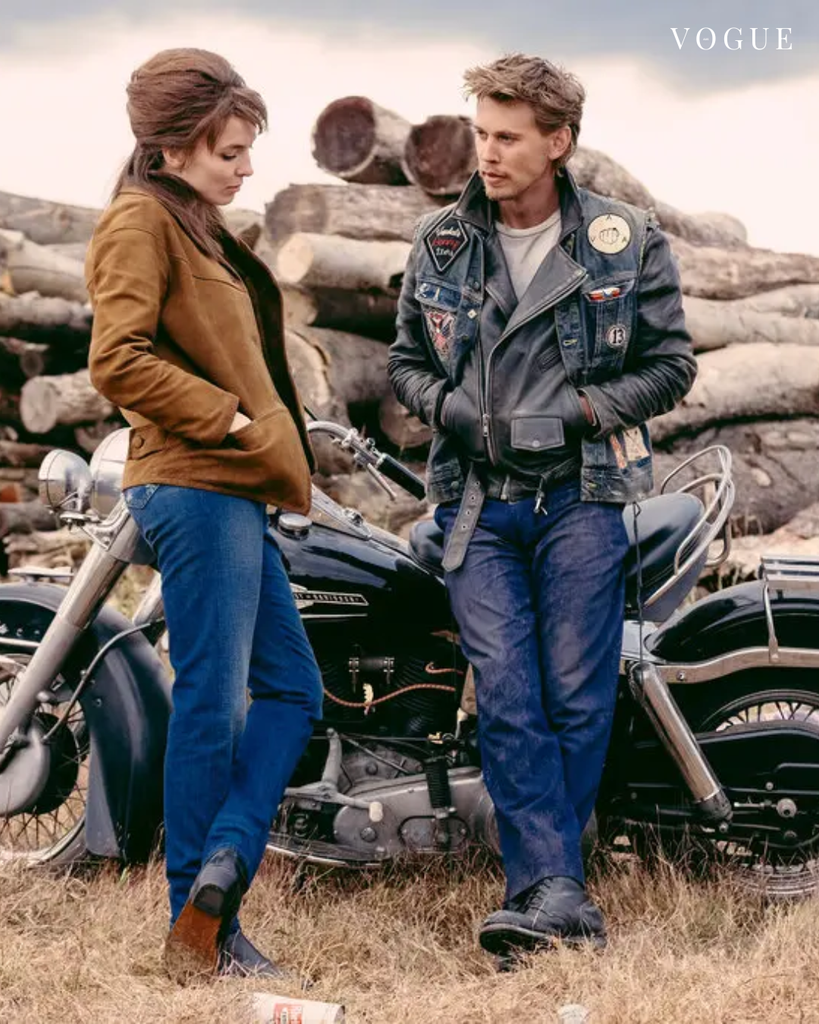
Butler also appeared in The Bikeriders, a drama centered on a fictional motorcycle club and the people connected to it.
The film provided another opportunity for him to explore a different period and style of storytelling. As Benny, Butler portrayed a quiet but compelling character whose relationship with the motorcycle club and its members becomes increasingly complicated.
The role highlighted a different aspect of his performance style.
Where Elvis required flamboyance and musical energy, The Bikeriders depended more heavily on restraint and atmosphere. Butler’s performance showed that he could command attention without constantly dominating the screen.
The Challenge of Reinvention
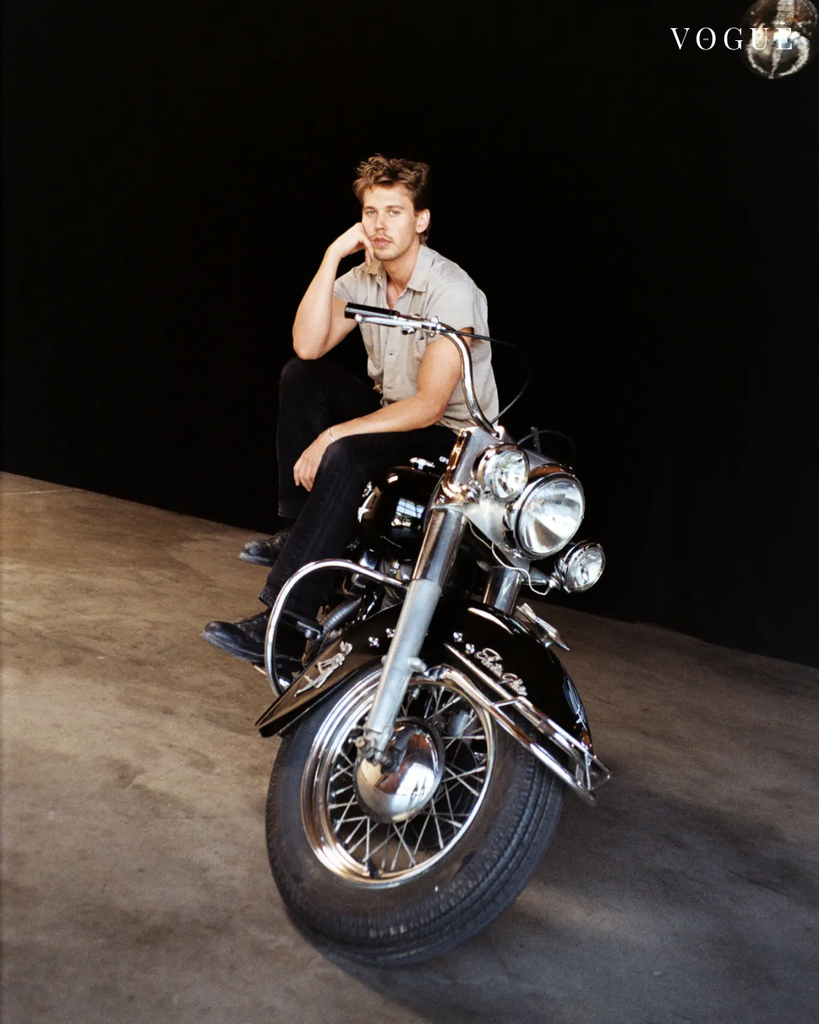
Perhaps the most interesting aspect of Butler’s career is his approach to reinvention.
Actors who become strongly associated with a successful role can face pressure to reproduce the same qualities in subsequent performances. Butler has instead chosen roles that require significant changes in appearance, personality, and physicality.
Elvis Presley was charismatic and theatrical.
Feyd-Rautha was menacing and unpredictable.
Benny in The Bikeriders was quieter and more emotionally restrained.
These characters demonstrate the variety Butler has pursued as his career has developed.
Discipline Behind the Performances
Butler’s performances have also attracted attention because of the level of preparation associated with several of his roles.
For Elvis, he underwent extensive musical and physical preparation. For Dune: Part Two, he entered an entirely different visual and physical environment.
Such transformations require more than learning dialogue. They involve research, rehearsal, movement, voice, costume, makeup, and an understanding of the character’s emotional world.
This dedication has become an important part of Butler’s professional reputation.
His career demonstrates that successful screen acting often involves a willingness to spend months preparing for a performance that audiences may ultimately experience in only a few hours.
Beyond the Screen
Butler’s growing profile has also made him a prominent figure in fashion and popular culture.
His appearance at film premieres, award ceremonies, and international events has contributed to his image as a contemporary Hollywood leading man. His style often combines traditional tailoring with modern influences, reflecting the broader evolution of men’s fashion in entertainment.
However, his public image remains closely connected to his work.
Rather than being defined primarily by celebrity appearances, Butler has continued to build recognition through acting projects. His career suggests a deliberate effort to establish professional credibility alongside mainstream visibility.
The Next Stage of His Career
As Butler’s career continues, his choice of projects will play an important role in determining how audiences understand him.
His transition from youth television to major cinematic roles has already demonstrated significant professional growth. The challenge ahead is to continue exploring characters that offer something different while maintaining the creative discipline that has characterized his work.
With experience in musical drama, science fiction, historical storytelling, and character-driven cinema, Butler has established a foundation broad enough to support a long-term career.
His future projects will provide further opportunities to explore different genres and collaborate with major filmmakers.
A Hollywood Career Still in Progress
Austin Butler’s story is ultimately one of evolution.
He began as a young television performer, spent years working across different projects, and eventually reached international recognition through one of the most demanding roles an actor could undertake.
His portrayal of Elvis Presley changed the scale of his career, but it did not become its endpoint. Instead, it opened the door to roles that allowed him to demonstrate a broader range.
From Elvis Presley to Feyd-Rautha Harkonnen and beyond, Butler has shown a willingness to approach each character as a new challenge.
That willingness to transform may prove to be one of the defining qualities of his career.
Austin Butler is no longer simply the young actor audiences remember from television. He has developed into a serious cinematic performer with the ambition to take on increasingly demanding roles.
His journey is still unfolding, but one thing is already clear: his career has been built not on remaining the same, but on continually becoming someone new.